


The Transformation of Broad Match
For years, Broad Match was treated with caution — even distrust.
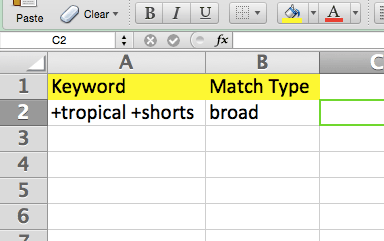
Many advertisers saw it as the “wild card” of Google Ads, capable of draining budgets with irrelevant clicks. It was broad in every sense — imprecise, unpredictable, and often disconnected from real user intent.
But that perception has started to shift dramatically.
In 2025, Broad Match is no longer about casting the widest net possible. It’s about understanding context — using machine learning to connect your ads with the right people at the right moment, even when their search terms don’t perfectly match your keywords.
Google’s algorithms now evaluate signals like user behavior, search history, location, and intent patterns in real time, creating a far more refined interpretation of “broad.”
This shift means advertisers can finally leverage Broad Match not as a risk, but as an opportunity for discovery.
Instead of being limited by exact or phrase matches, campaigns can reach audiences who are actively searching with high intent — even if their words differ from your keyword list.
When paired with Smart Bidding, this becomes a powerful duo: machine learning identifies intent, while automated bidding determines the best way to capture it profitably.
Still, it’s understandable that many marketers remain skeptical. Handing over control to algorithms can feel like letting go of years of finely tuned manual optimization.
Yet, this evolution doesn’t erase human strategy — it enhances it.

When Broad Match Meets Smart Bidding
The real magic of 2025 lies not in Broad Match or Smart Bidding alone, but in the synergy between them.
Each element amplifies the other’s strengths: Broad Match expands reach through contextual understanding, while Smart Bidding filters and prioritizes that reach through intelligent decision-making.
Together, they’ve redefined what optimized automation means in Google Ads.
In the past, using Broad Match often felt like walking a tightrope — trying to balance visibility with relevance.
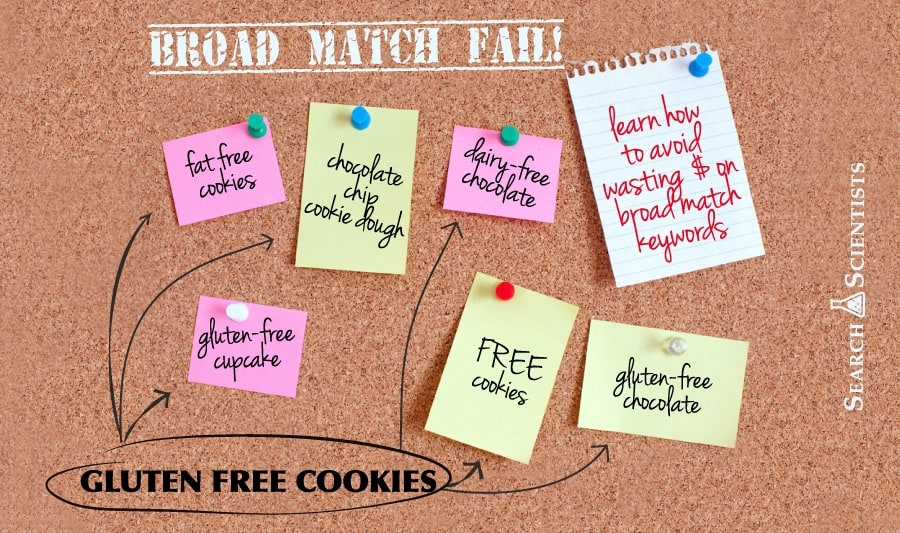
Now, with Smart Bidding as its counterpart, that balance has become far more stable. The algorithmic partnership allows campaigns to explore more search queries while maintaining strong ROI control.
Google’s system no longer simply reacts to user behavior; it learns from it, continuously adjusting both targeting and bidding in real time.
This collaboration is particularly powerful because it thrives on intent prediction.
Broad Match identifies potential users who express interest in your product through varied and sometimes indirect searches. Smart Bidding then evaluates each impression’s conversion probability — considering factors like device, location, time, and previous engagement — and places the most strategic bid.
The result: higher-quality traffic, stronger conversion rates, and less manual fine-tuning.
In 2025, the marketers who succeed with Broad Match and Smart Bidding aren’t those who resist change — they’re those who learn to collaborate with it.
Adapting Your Strategy in 2025
As automation grows more intelligent, success in Google Ads no longer depends on micromanaging campaigns, but on guiding them strategically.
2025 marks a shift from manual optimization toward collaborative automation — where the marketer’s role evolves from executor to strategist.
Broad Match and Smart Bidding may be doing more of the “work,” but they still rely on human insight to steer them in the right direction.
The first step in adapting is to rethink how you measure success. Instead of focusing only on click-through rates or cost per click, start optimizing for conversion value and intent alignment.
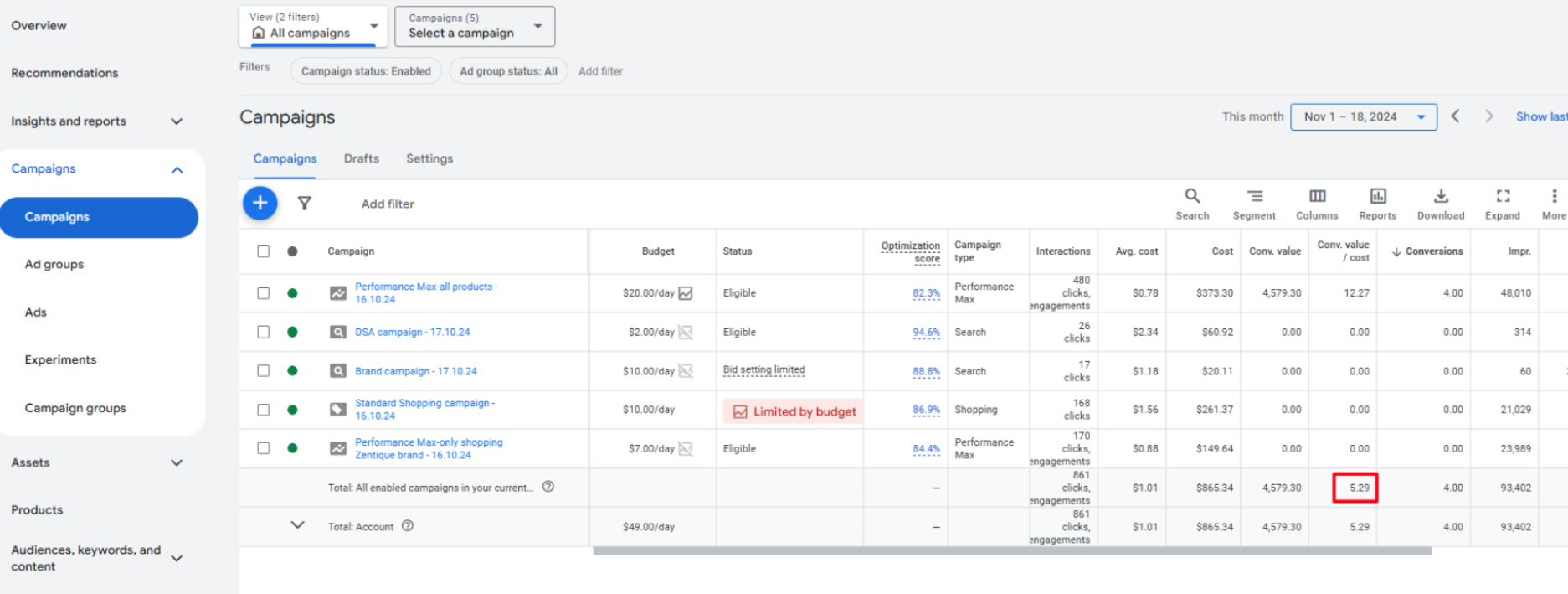
Smart Bidding thrives on strong data signals — so the clearer your conversion goals and values are, the smarter the system becomes. Revisit your tracking setup, assign realistic values to different actions, and give the algorithm time to learn.
Next, embrace Broad Match as a discovery engine, not a risk. Pair it with well-structured campaigns that use meaningful ad copy, negative keywords for protection, and Smart Bidding for performance control.
Allow it to explore — and observe which new search queries are driving valuable conversions.
Another key to success is creative strategy. While algorithms handle targeting and bidding, your messaging remains your most powerful differentiator.

Create ad copy that speaks to intent, not just keywords.
Test emotional hooks, benefit-driven headlines, and clear calls to action.
Machine learning can deliver your ad to the right person — but it’s your words that convince them to click.
Finally, remember that automation is iterative. Broad Match and Smart Bidding improve over time, learning from your data and feedback. Be patient with the learning phase, analyze results holistically, and adjust based on insights, not short-term fluctuations.
The marketers who win in 2025 are those who can interpret machine intelligence — not those who try to outsmart it.


