


Mastering email marketing automation isn’t just about setting up a few workflows — it’s about building a smart, scalable system that evolves with your audience.
In today’s data-driven landscape, automation allows brands to deliver personalized experiences at speed and at scale, turning every interaction into an opportunity for growth. This advanced approach goes beyond basic triggers, focusing instead on behavioral insights, dynamic segmentation, and lifecycle-based communication that feels genuinely human.
If you’re ready to move from simple setups to strategic automation that drives measurable impact, this guide will show you how.
Understanding the Foundation of Email Marketing Automation
Email marketing automation begins with a clear understanding of your audience and the value each message delivers. Before building sophisticated workflows, it’s essential to define who you’re speaking to, what they need, and how their behavior reflects their readiness to engage.
Strong automation isn’t created from guessing — it’s created from data: subscriber activity, lifecycle stage, preferences, and real-time intent signals.
Once you understand your audience, automation becomes a tool for delivering relevance at scale. Instead of sending the same message to everyone, you orchestrate a sequence of interactions that adapt to each subscriber’s actions.
This creates consistency, reduces manual work, and ensures that your communication remains timely and personalized without constant intervention.
The true foundation of advanced automation lies in mapping customer journeys, and tools like Miro make it easy to visualize each touchpoint, workflow, and decision path, ensuring every automated sequence aligns with real user behavior.
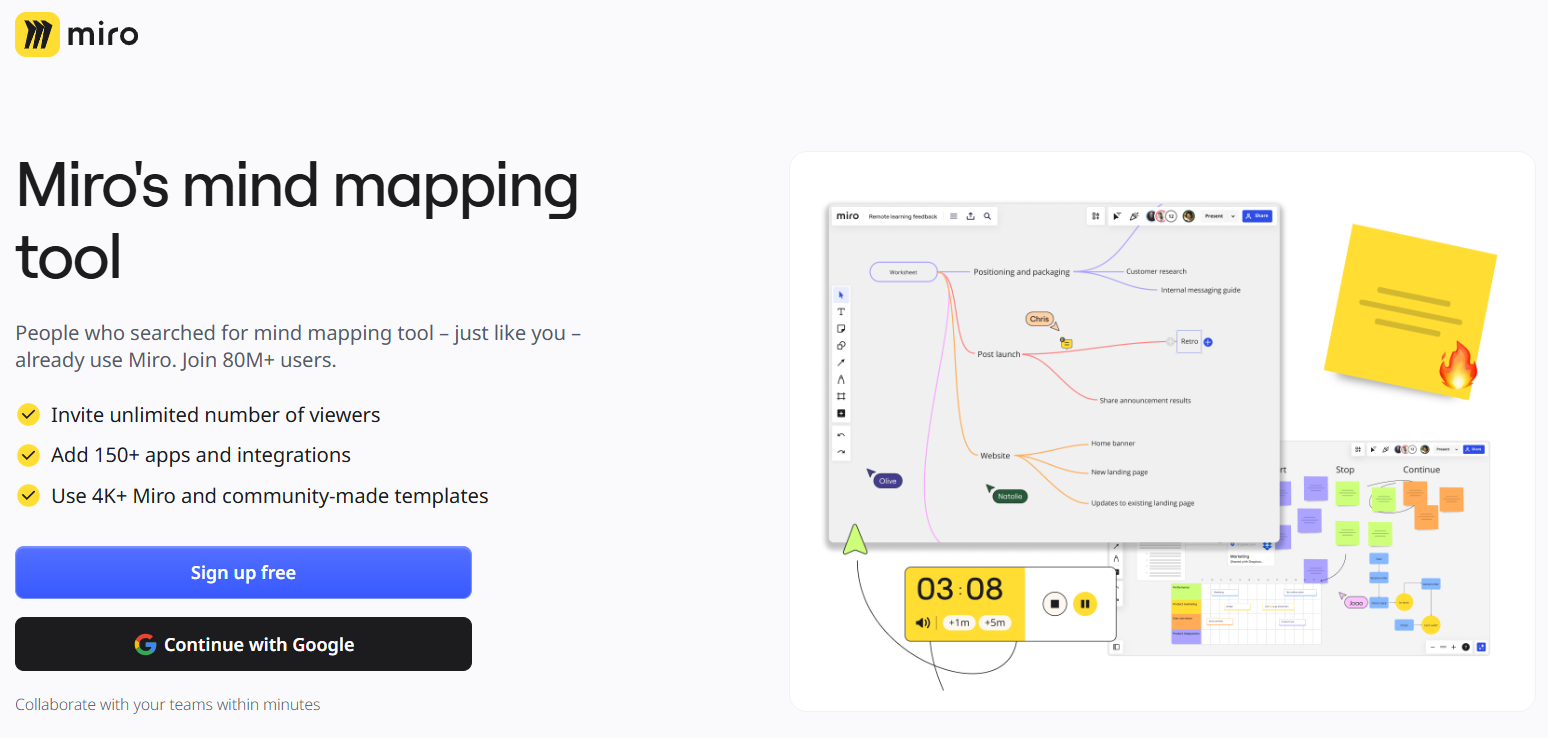
Whether it’s onboarding, nurturing, retention, or win-back, each journey has its own emotional logic and expected touchpoints.
Building Smart Segmentation for High-Impact Automation
Effective automation begins with segmentation that goes far beyond basic demographics.
To create truly adaptive email experiences, you need segments driven by behavior, engagement patterns, and lifecycle context. This means identifying how subscribers interact with your brand — what they click, how often they return, what products they explore, and where they drop off.
These patterns reveal intent, allowing you to deliver messages that feel timely and personally relevant rather than generic.
Advanced segmentation transforms your automation from static to dynamic. Instead of placing users into fixed buckets, you allow them to move naturally across segments based on real-time actions.
A user who suddenly becomes highly active can automatically enter a high-intent flow, while someone who begins to fade can be routed into re-engagement before they fully disengage.
This fluid movement ensures that your email ecosystem constantly adjusts to audience behavior without manual oversight.
At the highest level, segmentation becomes the backbone of intelligent personalization. By understanding why subscribers behave the way they do, you can craft automation paths that anticipate needs instead of reacting to them. This alignment between data and experience not only increases conversion rates but also builds a sense of relevance and trust — the true currency of modern email marketing.
Crafting High-Performing Automated Workflows
Automated workflows are the engine of email marketing automation, guiding subscribers through meaningful, well-timed communication.
To build workflows that perform at an advanced level, you need more than a sequence of messages — you need a logical structure informed by user intent.
Each step in a workflow should have a purpose: educating, nurturing, converting, or re-engaging based on where the subscriber is in their journey.
The more intentional the flow, the smoother and more natural the experience feels for the user.
Creating effective workflows means designing them to react to behavior, not just time delays. When subscribers open, click, ignore, purchase, or browse, each action can act as a signal that automatically shifts the direction of the workflow.
This dynamic branching ensures that your automation responds like a human would — offering more information when curiosity rises or reducing frequency when interest declines. As a result, subscribers receive communication that reflects their current mindset, not a rigid preset sequence.
Regular optimization, testing new messaging angles, refining timing, and analyzing bottlenecks allow your automation to stay relevant long-term.
Instead of “set and forget,” advanced email automation becomes “set, learn, and improve.”
Personalization at Scale Through Dynamic Content
Personalization in email automation has moved far beyond using a subscriber’s first name.
Modern personalization is about context — delivering messages that reflect individual needs, interests, and behaviors in real time. Dynamic content allows you to adapt a single email to multiple audience profiles, ensuring that each subscriber sees information aligned with their journey.
This creates a sense of relevance that feels intentional rather than automated, increasing engagement and trust.
At scale, dynamic content becomes a powerful engine for efficiency. Instead of creating countless variations of the same message, you build modular elements that adjust automatically: product recommendations, location-based offers, content blocks tied to engagement levels, or messaging suited to a subscriber’s lifecycle stage.
These components update the moment user behavior changes, allowing your emails to stay accurate and timely without constant manual editing.
The result is a system where personalization works continuously in the background.
The true impact of dynamic personalization lies in its ability to make automation feel human.
When subscribers consistently receive emails that reflect their preferences and actions, they perceive your communication as thoughtful rather than promotional.
Leveraging Data and Analytics for Continuous Optimization
Data is the driving force behind advanced email marketing automation, transforming assumptions into measurable insights.
Every subscriber interaction — opens, clicks, browsing patterns, purchases, and inactivity — provides signals that reveal how well your automation is performing.
By analyzing these patterns, you can identify which messages resonate, which workflows stall, and where opportunities for improvement exist. The goal is not just to collect data, but to interpret it in ways that inform smarter decisions.
Deep analytics allow you to understand the full lifecycle impact of your automated communication. Instead of focusing solely on immediate metrics like open rates, you examine longer-term indicators such as repeat engagement, customer retention, conversion velocity, and revenue per subscriber.
These deeper KPIs show how effectively your automation nurtures relationships over time.
When you track behavior across multiple touchpoints, you gain a clearer view of how each workflow contributes to the customer journey as a whole.
Continuous optimization turns automation into a living, evolving strategy.
Even small improvements compound over time, leading to higher engagement and stronger ROI. With a data-driven mindset, automation never remains static — it grows smarter, more efficient, and more aligned with subscriber expectations, ensuring your email channel remains a consistent source of meaningful impact and measurable growth.
We live, breathe & Dream Paid Traffic
Integrating Automation Across the Full Marketing Ecosystem
Email automation becomes truly powerful when it connects seamlessly with the rest of your marketing ecosystem. Instead of operating as an isolated channel, it integrates with CRM platforms, e-commerce systems, analytics tools, and customer support software to create a unified flow of information.
These connections allow your automation to access richer data — from purchase history to support interactions — enabling smarter, more contextual messaging that reflects the complete customer journey.
When automation is synced across platforms, every touchpoint informs the next. A customer who views a product on your site can receive personalized recommendations, while someone who opens a support ticket might enter a specialized nurture sequence that offers guidance and reassurance.
This continuity ensures that communication feels coordinated and relevant, reducing friction and enhancing the overall customer experience. The more aligned your ecosystem is, the more natural and helpful your automation becomes.
A fully integrated system also provides a clearer picture of performance, allowing you to measure automation’s true impact across channels.
Advanced Trigger Strategies for Maximum Engagement
Triggers are the heartbeat of email automation, dictating when and how subscribers move through workflows. Advanced trigger strategies go beyond simple actions like sign-ups or purchases, incorporating behavioral signals, engagement thresholds, and predictive insights. For example, triggers can respond to inactivity, browsing patterns, or even external factors such as seasonality or product launches.
This ensures that emails arrive exactly when they are most relevant, increasing the likelihood of interaction.
A subscriber might receive one path if they browse frequently but never purchase, another if they make repeat purchases quickly, and yet another if they engage inconsistently.
These nuanced triggers create highly personalized experiences without manual intervention, maintaining engagement and preventing fatigue from irrelevant messaging.
The real advantage of advanced triggers lies in their ability to anticipate needs rather than react to them.
By leveraging predictive analytics and behavior-based conditions, automation can preemptively guide users toward desired actions, whether that’s completing a purchase, exploring content, or re-engaging after a lapse.
Summary
Email marketing automation is no longer just a convenience — it’s a strategic tool that drives engagement, conversions, and long-term customer value.
Advanced techniques such as dynamic content, integrated systems, data-driven optimization, and predictive triggers elevate automation from simple sequences to an intelligent, adaptive system.
The key to mastery lies in treating automation as a living strategy: continuously analyzing performance, refining workflows, and aligning messages with real user behavior.
When done correctly, email automation becomes more than a channel; it becomes an experience that nurtures relationships, anticipates needs, and scales growth efficiently.
In essence, mastering email marketing automation is about turning data, insight, and technology into a seamless, human-centered journey that benefits both your subscribers and your business.
Check out more blog posts:


